One of the most common questions property owners ask before starting construction is:
How long will the project take?
The answer depends on several factors, including the size of the project, the complexity of the design, site conditions, and coordination between various teams.
Understanding the typical stages of a construction project timeline can help property owners plan better and avoid unrealistic expectations.
Stage 1: Project Planning and Design
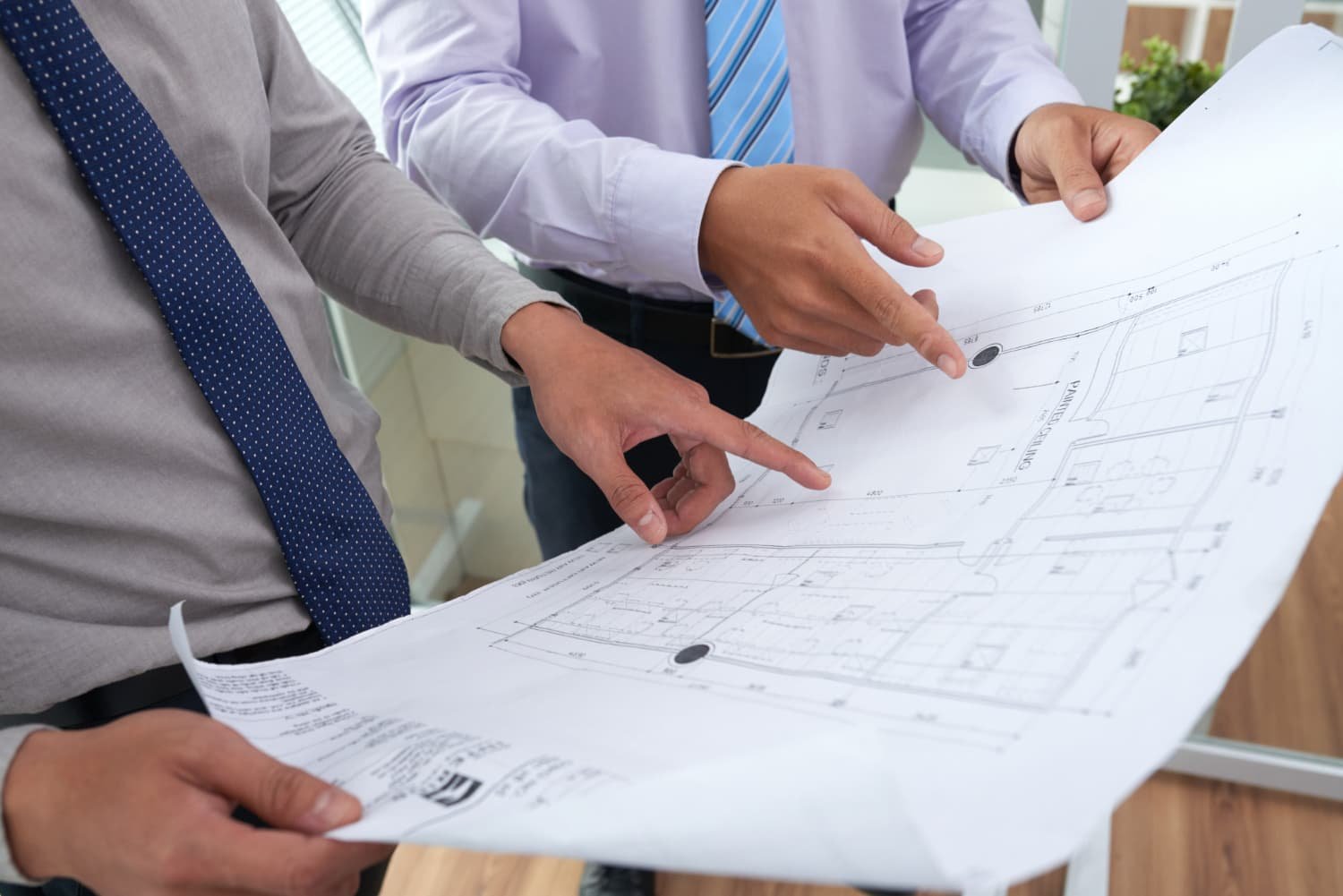
The planning stage usually begins with concept development and architectural design.
During this phase, architects and consultants work closely with the client to define the project’s requirements, layout, and structural framework.
This stage may include:
- Site analysis
- Concept design development
- Architectural drawings
- Structural engineering plans
- Cost estimation
Depending on the complexity of the project, the planning stage can take several weeks or months.
Stage 2: Approvals and Documentation
Before construction begins, many projects require approvals from local authorities and regulatory bodies.
This process may involve submitting architectural plans, structural calculations, and compliance documentation.
Approval timelines can vary depending on the location and project size.
Professional project management consultants often assist with documentation and approval coordination to streamline this process.
Stage 3: Procurement and Contractor Selection
Selecting the right contractors and suppliers is an important step in the construction timeline.
This stage includes:
- Contractor evaluation
- Tendering and bid analysis
- Vendor selection
- Material procurement planning
Proper procurement planning ensures that construction materials and equipment are available when needed.
Stage 4: Construction Execution
The execution phase is where the physical construction takes place.
Typical construction activities include:
- Foundation work
- Structural construction
- Plumbing and electrical installation
- Masonry and finishing work
- Interior development
The duration of this stage depends on the scale and complexity of the project.
Project management consultants monitor construction progress and ensure that milestones are achieved on schedule.
Stage 5: Inspection and Final Completion
Once construction work is completed, the project enters the final inspection and handover stage.
During this phase, consultants verify that all construction work meets design specifications and quality standards.
Any remaining corrections are completed before the project is officially handed over to the client.
Why Construction Timelines Often Change
Construction timelines can be affected by several factors, including:
- Design changes during construction
- Weather conditions
- Material supply delays
- Labor shortages
- Regulatory approvals
Professional project management helps reduce these uncertainties by planning ahead and maintaining close supervision throughout the project.
Conclusion
A construction project is a carefully coordinated process that moves through several stages, from planning to final completion.
While timelines can vary depending on project complexity, structured planning and professional supervision help ensure steady progress.
With proper project management, construction timelines become more predictable, reducing stress for property owners and ensuring timely delivery of the project.